
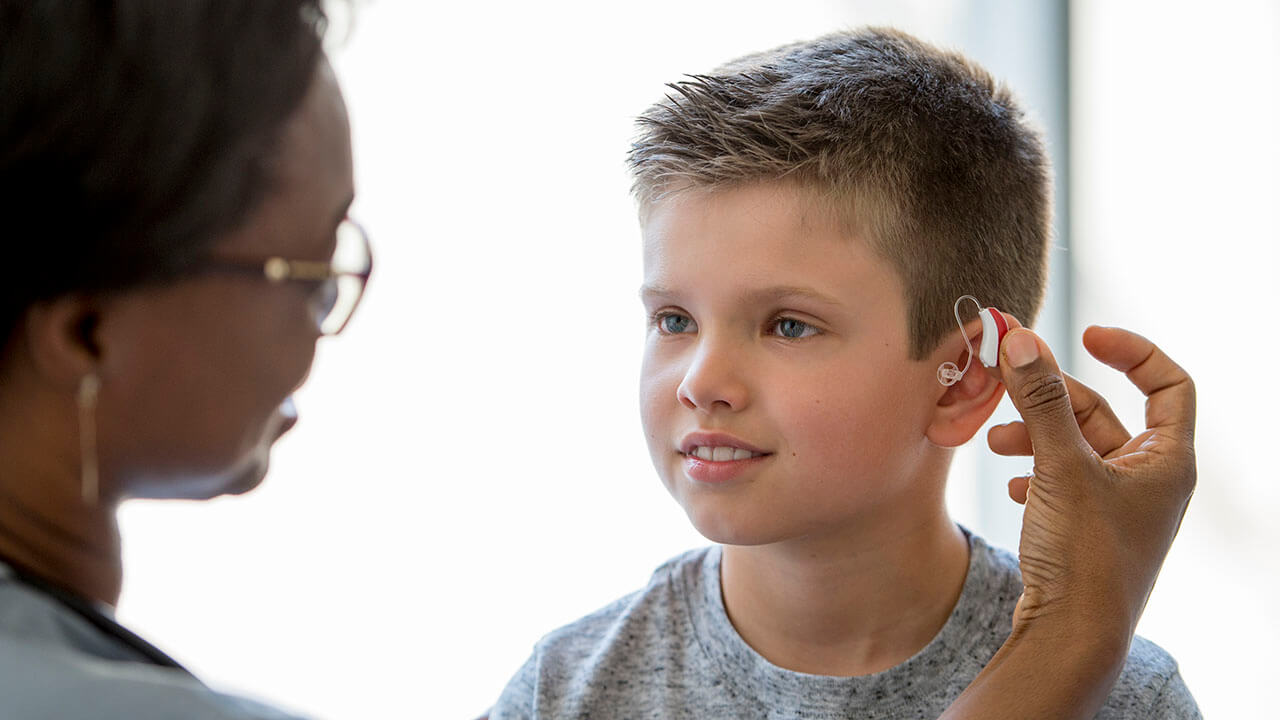
According to the Better Hearing Institute, three out of four hearing aid users report improvements in their quality of life due to wearing hearing aids. Additional studies show many benefits to wearing hearing aids, even for those with mild hearing loss, including:
Call your insurance company directly to determine if you have any benefits for hearing aids. Medicare supplement and replacement plans may provide some coverage for hearing aids. There may be situations where Prevea Health is in network for medical or diagnostic services (hearing evaluations), but is not in network for hearing aids since they are considered retail.
If you have additional questions, please call (920) 405-1414. Below is a list of questions to ask the insurance company so we can determine what the potential out-of-pocket cost for hearing aids will be.
2. Is there an age requirement for hearing aids?
3. What is the Annual Deductible?
4. How much of the deductible has already been met to date?
5. What percentage will be covered by insurance, co-insurance?
6. Is there an annual Out of Pocket Maximum that I will pay?
7. What Out of Pocket amount has been paid to date?
8. How often can the hearing aid benefit be used?
9. Is there a maximum amount that insurance will pay toward hearing aids?
10. Is that amount per ear or total for 2 hearing aids?
11. Is a Prior Authorization required?
12. Does the plan require medical clearance or medical necessity?
13. Are the benefits only covered during an accident or injury?
14. Does this plan require the use of a third-party administrator? If yes, what third-party administrator? Some examples would be United Healthcare Hearing, Tru Hearing, Amplifon, EPIC, Hearing Care Solutions or Hear USA.
If you don’t have Prevea coverage, we still offer affordable options. We have competitive pricing and a discount program called Access Hearing, which helps make hearing care more affordable. Through Access Hearing, you can choose from several trusted hearing aid brands, including:
Your audiologist will work with you to determine which style best fits your hearing needs. Remember to include your family and friends in your decision. Communication is a group effort and benefits all.
- Improve job performance
- Increase earning potential
- Enhance communication skills
- Improve professional and interpersonal relationships
- Ability to stave off depression
Guide to help you determine if you have an insurance benefit for hearing aids
Call your insurance company directly to determine if you have any benefits for hearing aids. Medicare supplement and replacement plans may provide some coverage for hearing aids. There may be situations where Prevea Health is in network for medical or diagnostic services (hearing evaluations), but is not in network for hearing aids since they are considered retail.
If you have additional questions, please call (920) 405-1414. Below is a list of questions to ask the insurance company so we can determine what the potential out-of-pocket cost for hearing aids will be.
Insurance authorization questions for hearing aids:
1. Does the plan have a general hearing aid benefit? (The CPT code is V5261 & Diagnosis code is H90.3)2. Is there an age requirement for hearing aids?
3. What is the Annual Deductible?
4. How much of the deductible has already been met to date?
5. What percentage will be covered by insurance, co-insurance?
6. Is there an annual Out of Pocket Maximum that I will pay?
7. What Out of Pocket amount has been paid to date?
8. How often can the hearing aid benefit be used?
9. Is there a maximum amount that insurance will pay toward hearing aids?
10. Is that amount per ear or total for 2 hearing aids?
11. Is a Prior Authorization required?
12. Does the plan require medical clearance or medical necessity?
13. Are the benefits only covered during an accident or injury?
14. Does this plan require the use of a third-party administrator? If yes, what third-party administrator? Some examples would be United Healthcare Hearing, Tru Hearing, Amplifon, EPIC, Hearing Care Solutions or Hear USA.
If you don’t have Prevea coverage, we still offer affordable options. We have competitive pricing and a discount program called Access Hearing, which helps make hearing care more affordable. Through Access Hearing, you can choose from several trusted hearing aid brands, including:
- Oticon
- ReSound
- Signia
- Starkey
- Widex
Types of hearing aids
We offer many different types of hearing aids for various lifestyles and budgets. Your audiologist will work with you to determine which style best fits your hearing needs. Remember to include your family and friends in your decision. Communication is a group effort and benefits all.Open ear (OE)
Hearing aids do not restore hearing to "normal" - they maximize your hearing ability to improve speech understanding and listening-in noise. Deciding which hearing aid is right for you is a complex and personal decision. Below is a list of basic styles of hearing aids. They come in a variety of styles, sizes and technology levels. Style and size is determined by the degree of your hearing loss, the shape and size of your ear, your ability to manipulate small parts, and your personal preference.Completely-in the-canal (CIC)
The smallest of the hearing aid fits deeply into the ear and can hardly be seen when worn. It uses a small battery which will need to be changed more often due to its size. The smaller hearing aid requires better dexterity in order to manipulate both battery changing and overall maintenance such as cleaning.In-the-canal (ITC)
The plastic case extends slightly beyond the ear canal. This added size can provide more room for added options like a volume control or larger battery.In-the-ear (ITE)
The plastic case extends into the ear bowl and can be seen more easily. It has a larger size battery which will not have to be changed as often. Because of its larger size, the hearing aid generally has more manual controls.Behind-the-ear (BTE)
This hearing aid fits behind your ear and sends sound into your ear canal through a plastic tube and ear mold. Since the electrical components are housed behind the ear, this hearing aid is less affected by ear wax and moisture from the ear canal. This style often can provide more power if needed and several adjustment options such as hooking up to an FM system for children in the school system.Open ear (OE)
These are thin-tube hearing aids. This behind-the-ear hearing aid sends sound to your ear canal through a thinner plastic tube with an attached ear tip or ear mold. It has great cosmetic appeal while being durable and reliable. In addition, OE hearing aids help individuals with good low-frequency hearing to experience a more pleasing sound quality when hearing their own voices.Receiver-in-the-canal (RIC)
This behind-the-ear hearing aid has combined the advantages of an in-the-ear style with that of a behind-the-ear hearing aid. This style places the receiver (speaker) of the hearing aid inside your ear canal with the rest of the hearing aid sitting on top of the ear.Your audiologist will work with you to determine which style best fits your hearing needs. Remember to include your family and friends in your decision. Communication is a group effort and benefits all.
Brands available at Prevea Health
- Advanced Bionics – cochlear implants
- Cochlear America – cochlear implants
- MED-EL – cochlear implants
- Oticon
- Phonak
- ReSound
- Signia
- Starkey
- Unitron
- Widex


More resources from Prevea Health
Hearing aid buyers guide
According to the Better Hearing Institute, three out of four hearing aid users report improvements in their quality of life due to wearing hearing aids.

Hunting season safety tips
Reduce a trip to the doctors office by wearing the right footwear and apparel during hunting and hiking seasons.

What you need to know about hearing loss
If you are experiencing hearing loss, you are not alone. Hearing loss may be caused by genetic factors, the aging process, exposure to loud noises, as well as a number of other causes.
.jpg?width=1280&height=720&ext=.jpg)
What's the buzzing noise?
Tinnitus is the ringing, buzzing, humming or roaring sounds a person hears when no outside sound is present.