
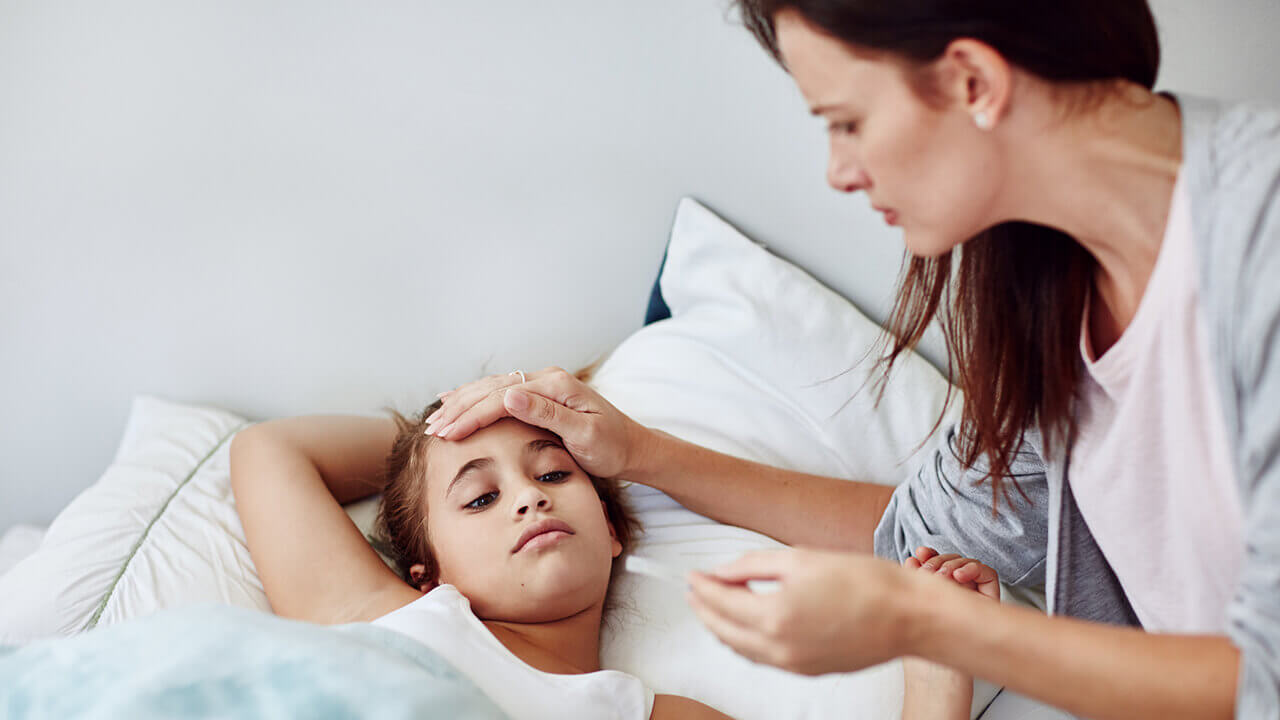
A cough, a sneeze, a drippy nose and a decision. Is my child too sick to go to school? Most parents ponder this question several times each year.
"In some circumstances it is clear that a child should stay home, but often it is difficult to know when your child is too sick to go to school," says a Prevea pediatrician. "When in doubt, call your child's healthcare provider for advice."
The common recommendation is that children who have a fever of 101°F or higher should stay home. It may be appropriate for children who don't feel well enough to pay attention in class to stay home as well. Keeping sick children out of school can speed their recovery and help lessen the spread of germs to teachers and classmates.
Parents also should consider if the child's illness is contagious - some are easily transmitted through coughing and sneezing. Children with other illnesses - such as pinkeye, strep throat, lice and chicken pox - also should stay home until their healthcare provider gives the approval to return to school.
Consider keeping your child home from school or daycare if he or she has:
"In some circumstances it is clear that a child should stay home, but often it is difficult to know when your child is too sick to go to school," says a Prevea pediatrician. "When in doubt, call your child's healthcare provider for advice."
The common recommendation is that children who have a fever of 101°F or higher should stay home. It may be appropriate for children who don't feel well enough to pay attention in class to stay home as well. Keeping sick children out of school can speed their recovery and help lessen the spread of germs to teachers and classmates.
Parents also should consider if the child's illness is contagious - some are easily transmitted through coughing and sneezing. Children with other illnesses - such as pinkeye, strep throat, lice and chicken pox - also should stay home until their healthcare provider gives the approval to return to school.
Consider keeping your child home from school or daycare if he or she has:
- A temperature of 101°F or higher
- Vomiting or diarrhea in the past 12 hours
- A new rash other than on the diaper area
- Redness or draining from the eye
- A communicable disease
- Skin or mouth lesions
Making this decision can be difficult. We’re here to help if you have further questions.
- Contact Prevea Care After Hours, a 24-hour phone service staffed by an experienced medical team dedicated to providing medical advice and answering your questions the moment they come up. Call (920) 496-4700 or toll free at (888) 277-3832.
- Review this list of common ailments and when it’s time to call your child’s doctor.
- Prevea pediatrics and family medicine have same day appointments during the week and Prevea Urgent Care is available after hours and on the weekends.
- Schedule an appointment with Prevea pediatrics.
- Schedule an appointment with Prevea family medicine.
- Schedule an appointment with Prevea family medicine residency.


More resources from Prevea Health

Why is seeing a primary care provider (PCP) important?
Take it from Prevea Health’s President and CEO, Ashok Rai, MD, FACP, one of the most important relationships you can build for your health is with a primary care doctor (PCP).
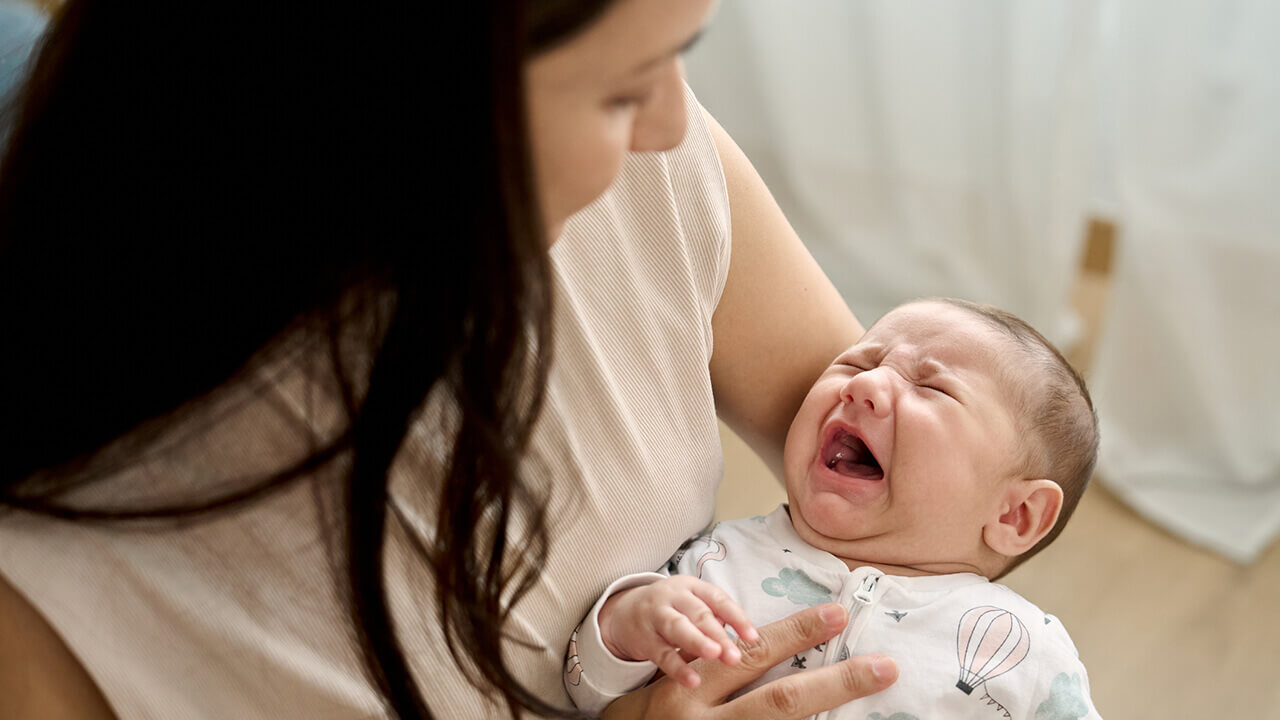
Crying
Taking care of a crying baby can be a challenge for parents, but there are calming measures to help soothe your baby.
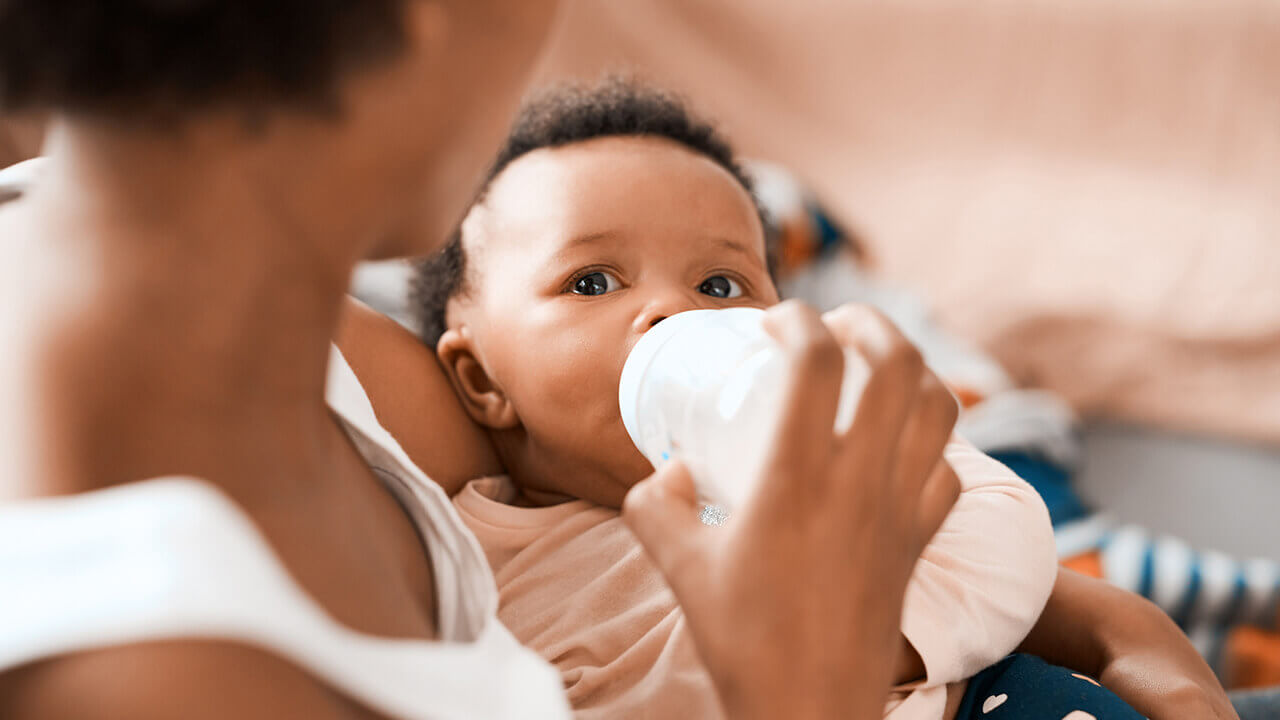
Feeding baby
For new parents, feeding your baby can feel overwhelming. Questions about feeding baby are very common.

Keep summer activities safe
Summer is the best time to get out of the house to enjoy warmth and sunshine.