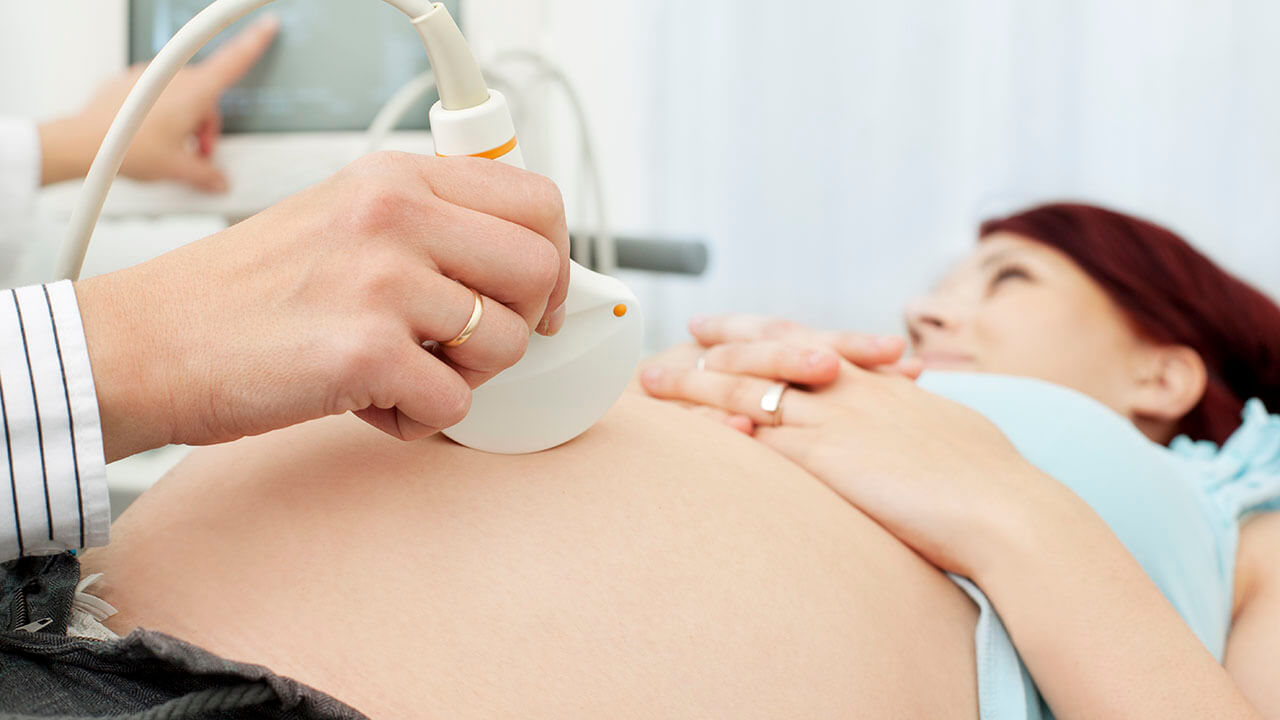
A guide to preconception care and planning your pregnancy
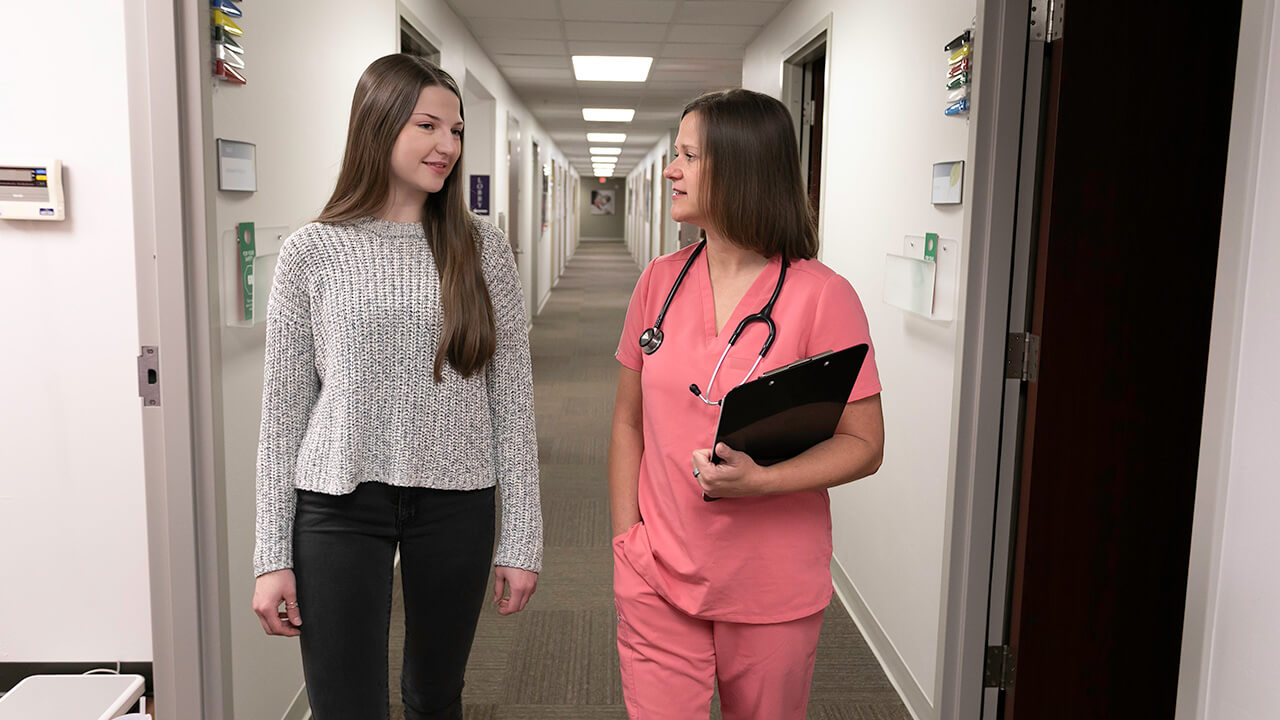
Your journey to parenthood starts with Prevea Women’s Care
Thinking about growing your family is one of the most exciting decisions you'll ever make. At Prevea Women's Care, we are committed to you and believe that the steps you take before pregnancy are just as important as the care you receive during it. This is your guide to feeling confident, informed and ready for the road ahead.
We're here for every step of your journey — from your very first ‘what if?’ to the moment you hold your baby.
What is preconception care?
Preconception care or preconception counseling is your first OB appointment with your Prevea OB/GYN or women’s care provider to discuss plans for a healthy pregnancy. This first appointment should take place well before a positive test result. Consulting with your OB/GYN or provider can keep you and your baby as healthy as possible and reduce the risk of complications during pregnancy.
What to expect at your preconception appointment
Your first appointment with your Prevea OB/GYN or women’s care provider is a chance to build a relationship, ask every question on your mind, and get a clear picture of your health.
- A thorough health history review, including menstrual cycle, past pregnancies, surgeries, and family history
- Blood pressure, weight and BMI measurement
- Lab work: immunity screening, STI testing, thyroid panel (if indicated)
- Discussion of medications and supplements
- Personalized guidance on optimizing your health before conception
- Genetic carrier screening discussion — your provider can help you decide if this is right for you
- Write down your questions in advance — bring a list
- Bring a support person if needed
- Know your last menstrual period date
- Have your medication names and dosages ready
- Be open and honest — your physician or provider is your partner, not your judge
When to schedule a preconception visit
You don't have to wait until you're already trying to conceive. In fact, the earlier you engage with your women’s care team, the more prepared you'll be.
- Are generally healthy with no chronic conditions
- Want a baseline health review and personalized guidance
- Have questions about fertility, your menstrual cycle or ovulation
- Want to discuss genetic screening options
- Have a chronic health condition such as diabetes, epilepsy, lupus or heart disease
- Take daily medications that may need to be adjusted before conception
- Have a history of pregnancy loss, preterm birth or pregnancy complications
- Have a family history of genetic disorders or birth defects
- Have been trying to conceive for more than 12 months (under age 35) or more than six months (age 35+)
- Have irregular or absent periods
- Have a history of an eating disorder or significant weight changes
When to be concerned — signs that deserve prompt attention
While most women who are planning a pregnancy are in good health, there are certain symptoms and circumstances that warrant a call or visit to your OB/GYN or provider sooner rather than later.
- Irregular, very heavy or absent periods — these can signal hormonal or structural issues
- Pelvic pain, painful periods or pain during intercourse (possible signs of endometriosis or fibroids)
- Unusual vaginal discharge or symptoms of infection
- Unexplained fatigue, hair loss or weight changes (possible thyroid concerns)
- A new diagnosis of an STI, which should be treated before conception
- Symptoms of depression, anxiety or significant emotional distress
- Recurrent miscarriage (two or more losses)
- Ectopic pregnancy
- Preeclampsia, gestational diabetes or preterm labor in a prior pregnancy
- Uterine or cervical abnormalities identified on prior imaging
- Severe pelvic or abdominal pain
- Sudden or heavy abnormal bleeding
- Signs of infection: fever, chills, foul-smelling discharge
- Any symptom that feels urgent or is significantly worsening
Your preconception health checklist
Whether you're planning to conceive in the next few months or just beginning to think about it, these steps can help you build the healthiest possible foundation:
- Schedule a preconception visit with your Prevea OB/GYN or women's care provider
- Review and update all vaccinations (especially rubella, varicella and flu)
- Discuss any chronic conditions (diabetes, thyroid disorders, hypertension, autoimmune conditions) and how they may affect pregnancy
- Review all current medications — some are not safe during pregnancy and may need to be adjusted
- Complete any overdue screenings: pap smear, STI testing, bloodwork
- Know your family health history and consider genetic carrier screening
- Begin taking a prenatal vitamin with at least 400–800 mcg of folic acid
- Work toward a healthy weight and diet — both underweight and overweight status can impact fertility and pregnancy outcomes
- Limit pain medications such as NSAIDs (like ibuprofen). Ask your physician or provider about safer alternatives.
- Stop smoking, and limit or eliminate alcohol and recreational substances
- Reduce caffeine intake to less than 200 mg/day
- Prioritize regular moderate exercise (aim for 150 minutes per week)
- Address mental health: manage stress and discuss any anxiety or depression with your provider
- Aim for 7 to 9 hours of sleep per night — sleep deprivation affects hormone regulation and fertility
- Review workplace or environmental exposures to chemicals, radiation or toxins
- Discuss family planning and readiness openly with your partner
- Evaluate financial, housing and support systems
You don't have to overhaul your entire lifestyle overnight. Even one or two positive changes like starting a prenatal vitamin or adding a daily walk can meaningfully improve your preconception health.
You don't have to have all the answers
Even if you're unsure about timing, our women's care team is here to meet you where you are. A preconception visit is a conversation, not a commitment. Think of it as a wellness visit for a future healthy pregnant version of you.
Ready to take the first step?
Schedule your preconception visit with Prevea Women's Care today.
More resources from Prevea Health
Trying to have a baby?
Early signs of pregnancy
What physical and emotional changes should I expect during pregnancy?